
Medical care in Germany

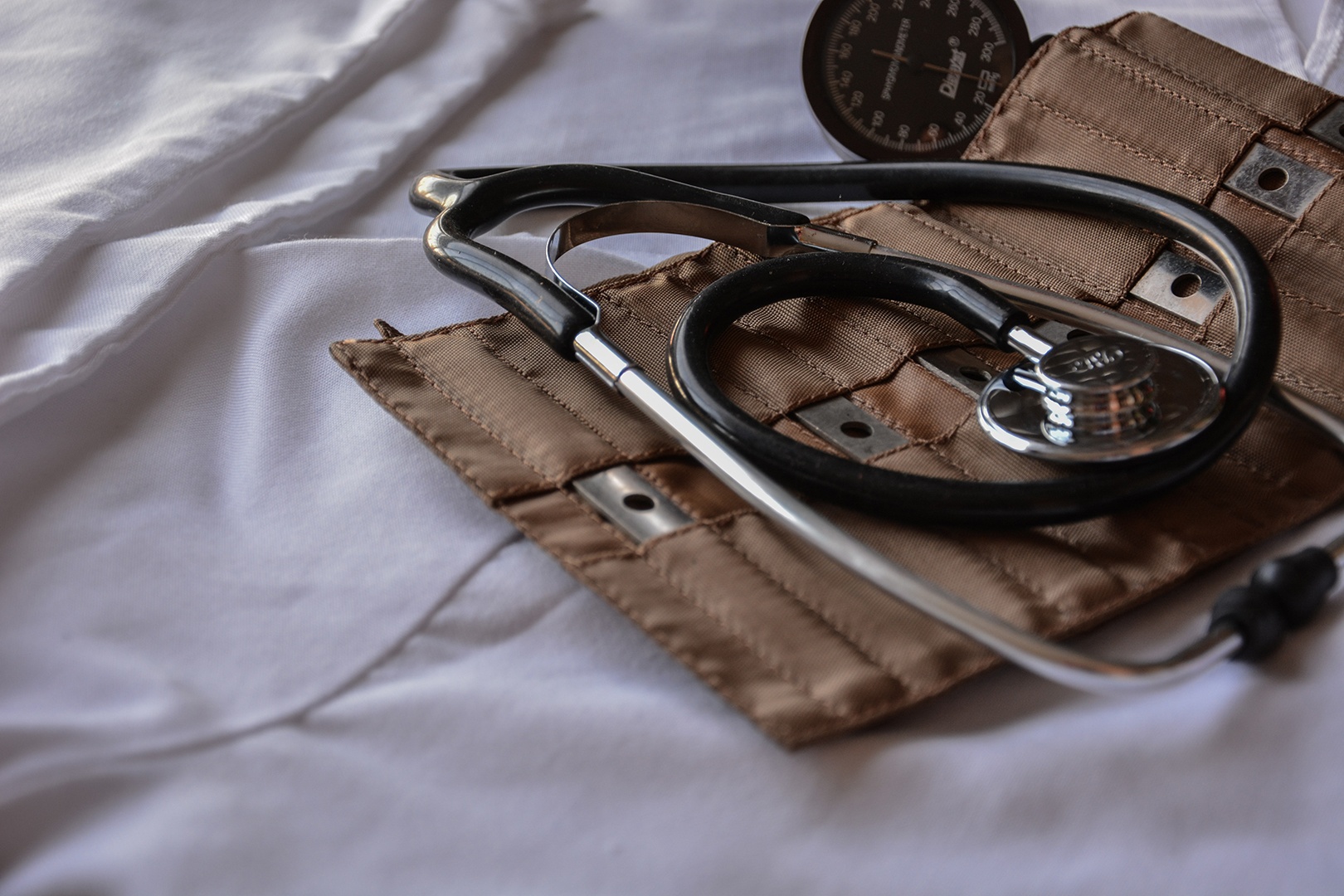
Visiting the Doctor
If you have a health problem, you should first go to a general practitioner, called Hausarzt in German. A general practitioner can prescribe treatments for you or refer you to a specialist. You can find here a list of all general practitioners, dentists, and medical specialists in your area.
You can call to make an appointment with doctors before your visit. Although you don't need an appointment in emergency cases, you may have to wait a while before seeing the doctor.
Quick reminder: some practices are closed on Wednesday mornings. This isn't a general rule in Germany, so it depends on the region where you live. That's why we recommend checking the opening hours and making an appointment in advance.

Emergencies
Here's a list of emergency contacts that will be useful to you:
- 112 - to call an ambulance or an emergency doctor
- 116 117 - to contact the "Ärztliche Bereitschaftsdienst" (medical emergency service) anywhere in Germany.
- Orange phone booths on the roadside - to ask for help in case of an accident or breakdown on the highway.
Pharmacies in Germany
The pharmacy is called Apotheke in German. Opening hours are Monday to Friday, 8:30 AM to 6:30 PM, and Saturday mornings. Although they're closed on Sundays, there are emergency pharmacies whose contact details you can find online.

Medications
This section is a bit longer, but since it's very important, please bear with us! There are two categories of medications: over-the-counter (OTC) medications and prescription medications.
For over-the-counter (OTC) medications, short for over-the-counter, you don't need to see a doctor to buy them at most pharmacies in Germany, such as dm-drogerie Markt or Rossmann. Some examples of OTC medications are cough syrups, cold medicines, throat lozenges, and nasal sprays.
As the name suggests, prescription medications require you to get permission from a doctor. German law on medical preparations is very strict, so there's no way to buy them in Germany without a prescription. Some medications sold over the counter or even in supermarkets in Germany are only available by prescription in other countries. On the other hand, some countries may allow the sale of certain medications whose use isn't permitted in Germany. You should always check the status of the medications you use in your home country to know if they're allowed in Germany, to make sure you won't have any problems at the pharmacy.
When you buy prescription medications at the pharmacy, you'll have to pay a small co-payment of about 5 to 13 euros, and your insurance will pay the rest for you. This doesn't apply to OTC medications, so you'll have to pay for those yourself.
Did you find this article useful? We hope so. If you have any other questions or something to add, don't hesitate to send us a message! We love hearing from you!
Preparing to study in Germany?
Secure your official blocked account and student health insurance in one official, fast package approved by German authorities.