
Transportation in Germany

Local Public Transport
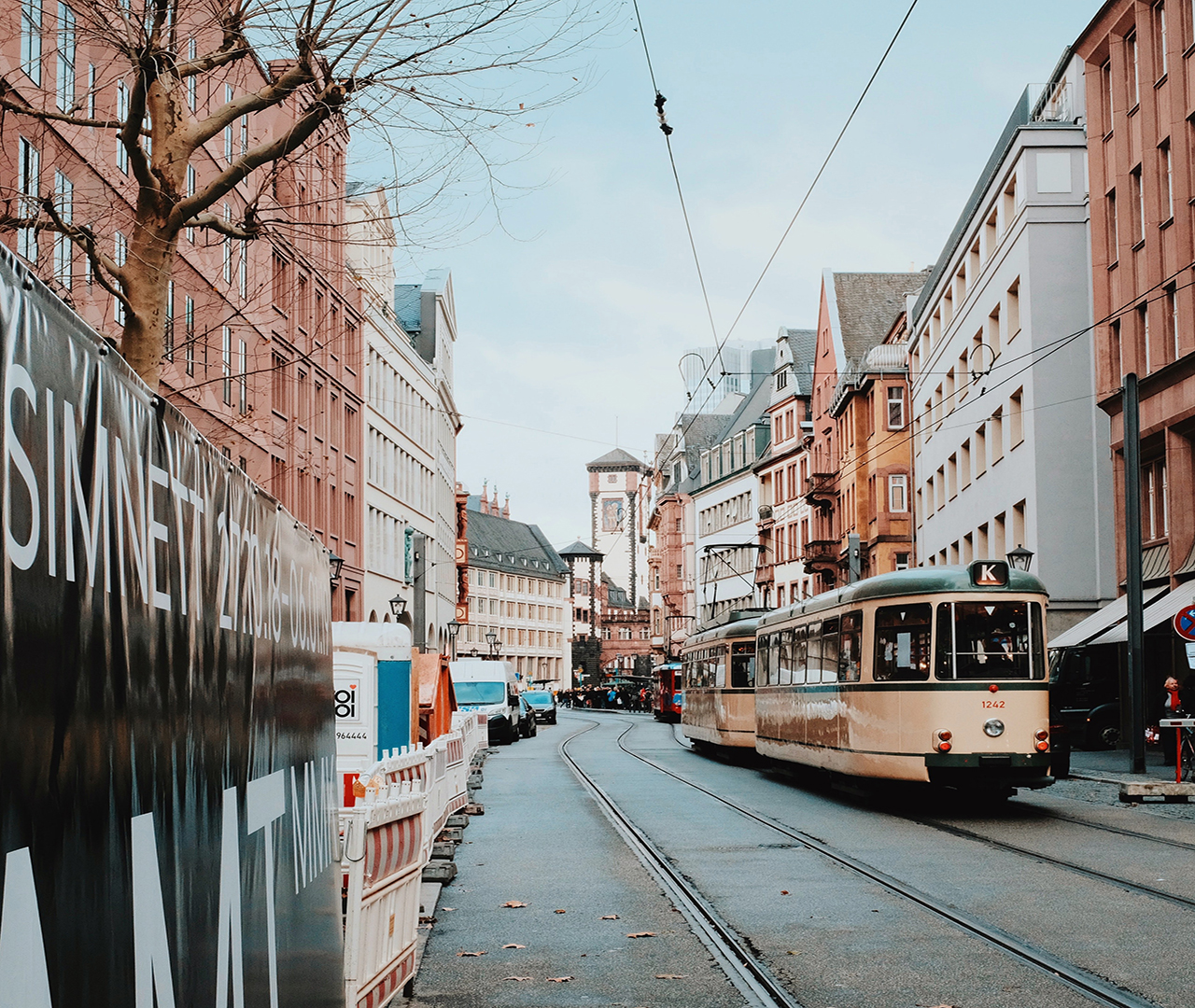
Germany's public transport system is very well developed and has become essential. Many destinations are accessible by train, tram, and bus. Trains, subways, commuter trains, trams, and buses make up the "local public passenger transport and long-distance transport services." Connections within cities and regions are called, in short, "ÖPNV" (Öffentlicher Personennahverkehr = local public transport).
How to Buy and "Entwerten" Your Ticket
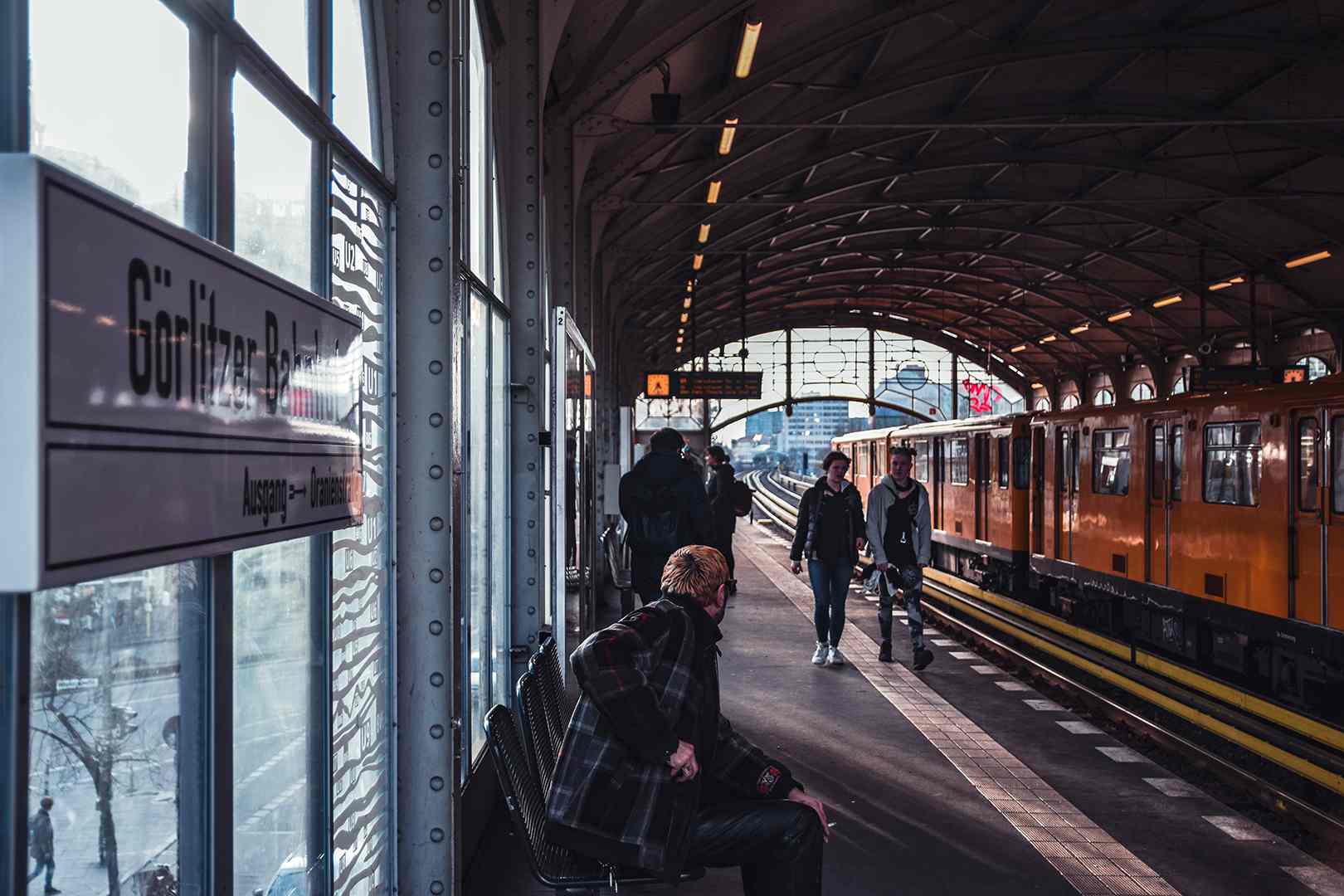
Tickets for trams, buses, and short-distance trains must be purchased from a vending machine. Ticket machines are sometimes a bit complicated to use. If you don't know how, you can ask other ticket buyers. People are very friendly and ready to help you!
In Germany, you'll sometimes see inspectors on buses, trams, or even trains. If you encounter them on public transport, you're supposed to show them your VALID ticket, otherwise your "Schwarzfahren" (traveling without paying for a ticket) will cost you at least 30 euros.
The question is: "How do I know if my ticket is valid or how do I validate it?" The answer is very simple! First, you need to check the validity of your ticket. If there's no exact time printed on it, you must "entwerten" (validate) it before boarding. There are always several validation machines at the station where you can validate your ticket. Don't forget the "entwerten" step if you don't want to pay a fine or find yourself in a difficult situation.
Fares
If you use public transport often, you can buy a "ten-ticket card" (Zehnerkarten), a "monthly pass" (Monatskarten), or an "annual pass" (Jahreskarten). They're much cheaper than paying for each individual ticket.
Public transport services also support people with disabilities. They can use transport for free. But there's a condition: one of the following must be indicated on the severely disabled person's card:
- G (gehbehindert = mobility impaired)
- aG (außergewöhnlich gehbehindert = exceptionally mobility impaired)
- H (hilflos = helpless)
- Gl (gehörlos = deaf)
- Bl (blind = visually impaired)
Anyone carrying the B mark (Begleitperson = accompanying person) on their card can be accompanied free of charge by a second person.
Regional Trains and Long-Distance Connections for Extended Routes
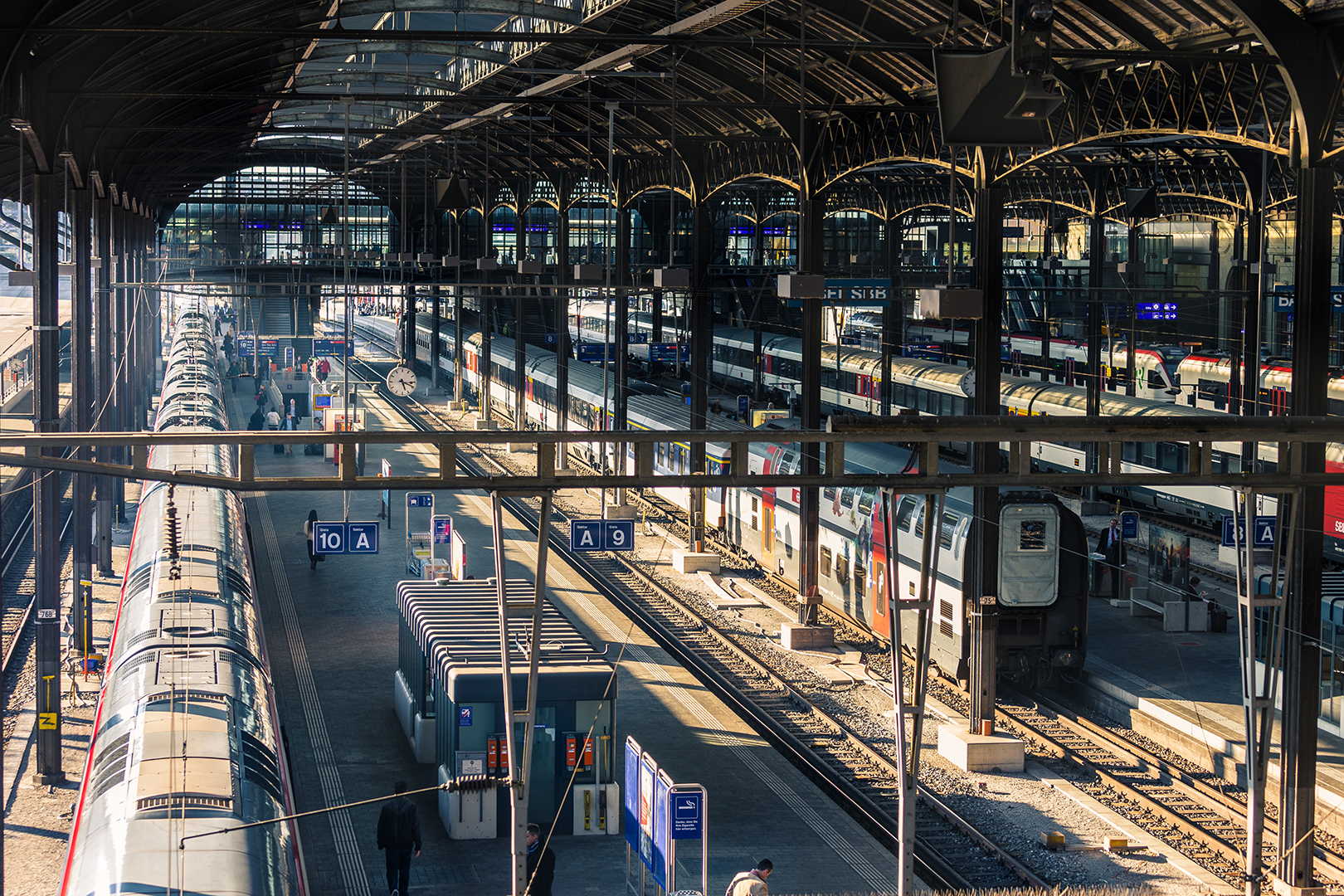
For longer distances, it's highly recommended to use Deutsche Bahn (DB, briefly Die Bahn = German Railways). The train fare discount systems are a bit complicated. However, customers can save money by following a few steps. The fare is often cheaper if you buy tickets several days before departure.
If you're accompanied by another person, they only need to pay half the actual price. Children up to 14 years old travel free if accompanied by their parents or grandparents.
If you use Deutsche Bahn more frequently, you should buy a BahnCard. Depending on which BahnCard you choose, you'll get, in addition to other discounts, a 25% or 50% reduction on the original price.
It's best to plan your trip in advance to save money, as the train is a relatively inexpensive means of transport.
Additionally, the train offers even more special advantages. For example, the "Schönes-Wochenende-Ticket" (nice weekend ticket), the "Länderticket" (regional ticket), or the "Monatskarten" (monthly pass) and "Jahreskarten" (annual pass). With the "Interrail Ticket" for about 300 euros, young people (up to 25 years old) can travel for a month all over Europe.
You can get information at Deutsche Bahn travel centers or online at bahn.de.
Park + Ride
If you want to travel by both car and public transport, here's an option you can take advantage of: the "Park + Ride" system. You can drive your car to the public transport stops, park your vehicle in the P+R parking lot, and continue your journey by public transport.
Demand for the P+R system has increased considerably over the years. Not only commuters benefit from this offer, but also people shopping in the city or who want to spend time exploring and relaxing there. Even non-residents, for whom metropolitan traffic causes too much stress, appreciate P+R facilities.
Taxi
Large cities have a wider taxi network and it's easy to find a taxi on the streets.
However, it's recommended to take a taxi in small towns and low-traffic areas. Taxi drivers offer a special service called "local trip." If you hail a taxi on the street and want to use it for a short distance, you can negotiate the price with the driver (for example, 3 euros). Otherwise, they'll ask you to pay the applicable fare.
Carpooling
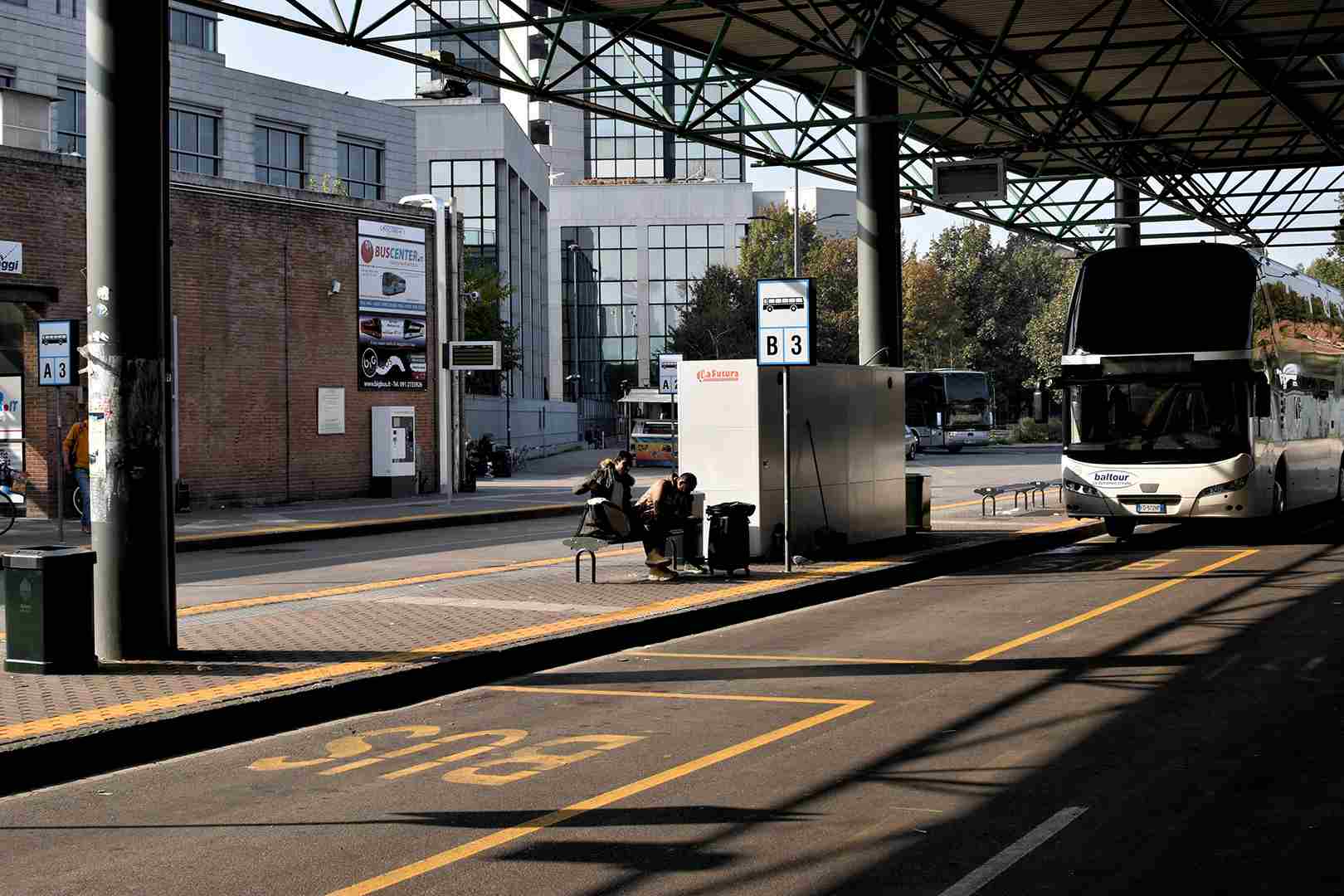
Carpooling is a way to travel at a lower cost. Drivers can offer to take other people on long-distance trips. You can contact carpooling centers (Mitfahrzentralen, abbreviated MFZ) for detailed information. You can also find their numbers on mfz.de or on mitfahrgelegenheit.de.
That's everything you need to know about public transport in Germany. Do you need more information? Let us know by leaving a message!
Preparing to study in Germany?
Secure your official blocked account and student health insurance in one official, fast package approved by German authorities.