
8 things to know about living in Germany


Read on to learn about these tips and follow them to make the most of your first days in Germany. Let's get started!
1. Traveling in Germany with the "Bahncard"
Deutsche Bahn is the largest public transport company in Germany. It's also responsible for tracking transport schedules in the city where you study. You can download the "DB" app on your phone and check schedules anytime, anywhere. There, you'll have access to all information about public transport options like buses or trains. It's such a handy pocket app that we highly recommend it!
If you like visiting German cities during your studies, a "Bahncard" from Deutsche Bahn would be the ideal transport option for you. There are different types of "Bahncard," so before choosing one, you can go here for an overview: bahn.de
A quick tip from EDUBAO: students under 26 can book a "My BahnCard 25." With this card, you'll pay 34.90 euros for a year and get a 25% discount on every second-class booking.
2. Pfand
What is "Pfand"? Have you heard of this word if you've already lived in Germany? Even if you don't know it at all, you may have already seen this symbol on most bottles in Germany.
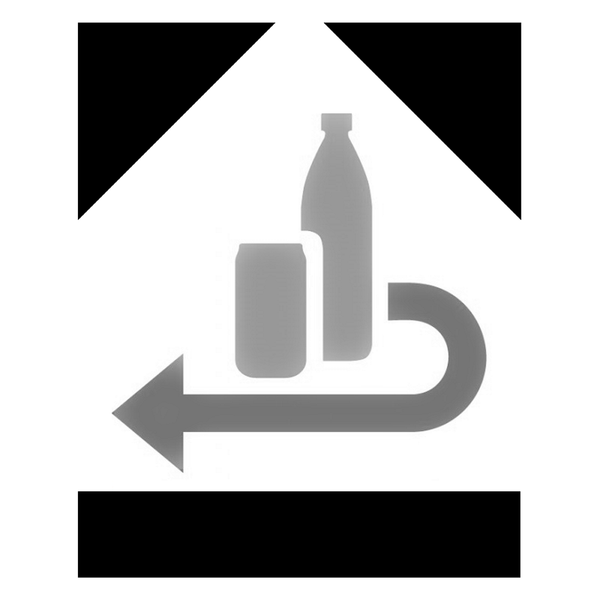
"Pfand" is the German deposit system, which means you automatically pay a deposit when buying a bottle in Germany. If you return the bottle after use, you'll get your deposit back. The deposit on a bottle can range from 0.08 to 0.6 euros. However, not all stores can accept bottles and refund the deposit. Instead, you can find at least one deposit return machine in any supermarket in Germany.
3. Learning German
Even if you're studying in English, EDUBAO still wants to encourage you to learn the German language, which will be useful in your daily life in Germany. Through the language, you'll adapt better to your new life and feel more integrated into German society.
There are always good German courses offered by your university or the university's language center. These courses are affordable and will help you meet friends from all over the world with whom you can form a German study group and hang out after class.
If you want to take more intensive German courses, the VHS is a good choice. VHS is short for "Volkshochschule," which also offers "German as a foreign language" courses during the holidays. Of course, there are also other options like private language schools. Take some time to look around and then choose the best option to improve your German.
4. "Entwerten"
In Germany, you sometimes encounter ticket inspectors on buses, trams, or even trains. If you meet them on public transport, you're supposed to show them a VALID ticket, otherwise you risk a 60 euro fine.
The question is: "How do I know if my ticket is valid or how do I validate it?" The answer is very simple! First, you need to check the validity of your ticket. If there's no exact time printed on it, you must "validate" it ("stamp" it) before boarding. There are several validation machines at the station where you can validate your ticket. Don't forget the "validation" step if you don't want to pay a fine or find yourself in a difficult situation.
5. "Warmmiete" and "Kaltmiete" When Renting Accommodation in Germany
Wherever you live in Germany, and before signing any rental contract, you need to be able to distinguish between the two types of rent: "Warmmiete" (warm rent) and "Kaltmiete" (cold rent). The biggest difference between them depends on whether the rent includes the following additional costs:
- Heating (Heizung)
- Electricity (Strom)
- Water (Wasser)
- TV (Fernseher)
- Phone / Internet connection (Telefon/Internetanschluss)
- Garbage collection (Müllabfuhr)
- Radio and TV contribution (Rundfunkbeitrag)
- Etc.
To put it simply: "Warmmiete = Kaltmiete + additional costs (Nebenkosten)." The monthly amount you'll pay for additional costs varies from city to city and depends on your lifestyle. When looking for a room in Germany, make sure to check whether the rent you see on the website is "Warmmiete" or "Kaltmiete."

6. The Residence Permit
Your residence permit is the electronic residence permit (eAT / elektronischer Aufenthaltstitel) that you obtained from the Immigration Office (Ausländerbehörde). Don't forget to carry it with you along with your passport, especially when traveling outside of Germany. It would also be wise to have a copy of these two important documents or take a photo and save them on your phone in case you lose them.
7. Taking a Part-Time Job as a Foreign Student
Students, including foreign students, are allowed to work during their studies. However, working hours are limited. Generally, students are allowed to work 120 days per year (or 240 half-days per year). But if you attend a Studienkolleg, a language course, or something else, the regulations may be different. You'll find this information on your green "Zusatzblatt," which is attached to your residence permit (Aufenthaltstitel). If you work more than the allowed hours, it's very likely that you won't be able to continue your studies in Germany and will have to return to your home country.
8. Taxes in Germany
Students who earn less than 520 euros per month don't have to pay taxes. Even if you work a lot during summer and winter holidays, you won't have to pay taxes if you earn less than 9,984 euros (in 2019) per year. If your income exceeds this amount or if you work more than 20 hours per week during the holidays, you may be required to pay "Rentenversicherung" (pension insurance) and "Arbeitslosenversicherung" (unemployment insurance). Additionally, due to the many extra working hours, you'll no longer be considered a student during that period or in the long term. As a result, your health insurance contribution will increase.
We hope the tips we've provided above will be helpful! Enjoy your stay in Germany! We also have several other articles, with links provided, to help you get more detailed information, so feel free to check them out! And as always, stay in touch with EDUBAO for the latest updates on "Studying in Germany" or if you need help!
Preparing to study in Germany?
Secure your official blocked account and student health insurance in one official, fast package approved by German authorities.