
Job search in Germany


If you're planning to work in Germany after graduating, it's never too early to start looking for a job. As the saying goes, a forewarned person is worth two. With that mindset, EDUBAO has prepared an article to help you know what to do. In this article, we'd like to give you some useful suggestions to help you succeed in finding a job in Germany.
Note: If you come from a non-European country, you need to check whether you can stay in Germany for 18 months to look for a job. If so, you also need to check the visa requirements for job seekers and apply in time. Otherwise, you could face unwanted legal problems.
Ready? Keep reading to see how to look for a job in Germany!
How Do I Start My Job Search?

Analyze Your Capabilities
Before going job hunting, take the time to ask yourself the following questions:
- In which country do you want to work?
- In which city do you want to work? Do you want to stay where you studied or move to another city you've been dreaming of?
- What type of company do you want to work for? Large or small?
- What kind of job do you want? A full-time position or just a part-time job? Or do you want to be a "Freiberufler" (self-employed) in Germany?
- Do you still want to work in the field you studied? Or would you like to expand your field of knowledge?
- What salary would suit you?
Try to Get to Know Yourself Better
There are several online psychological tests specifically designed for graduates or students before starting their careers. These tests aim to help you get to know yourself better and understand your skills in general. The results of these tests are displayed in graphical or tabular form.
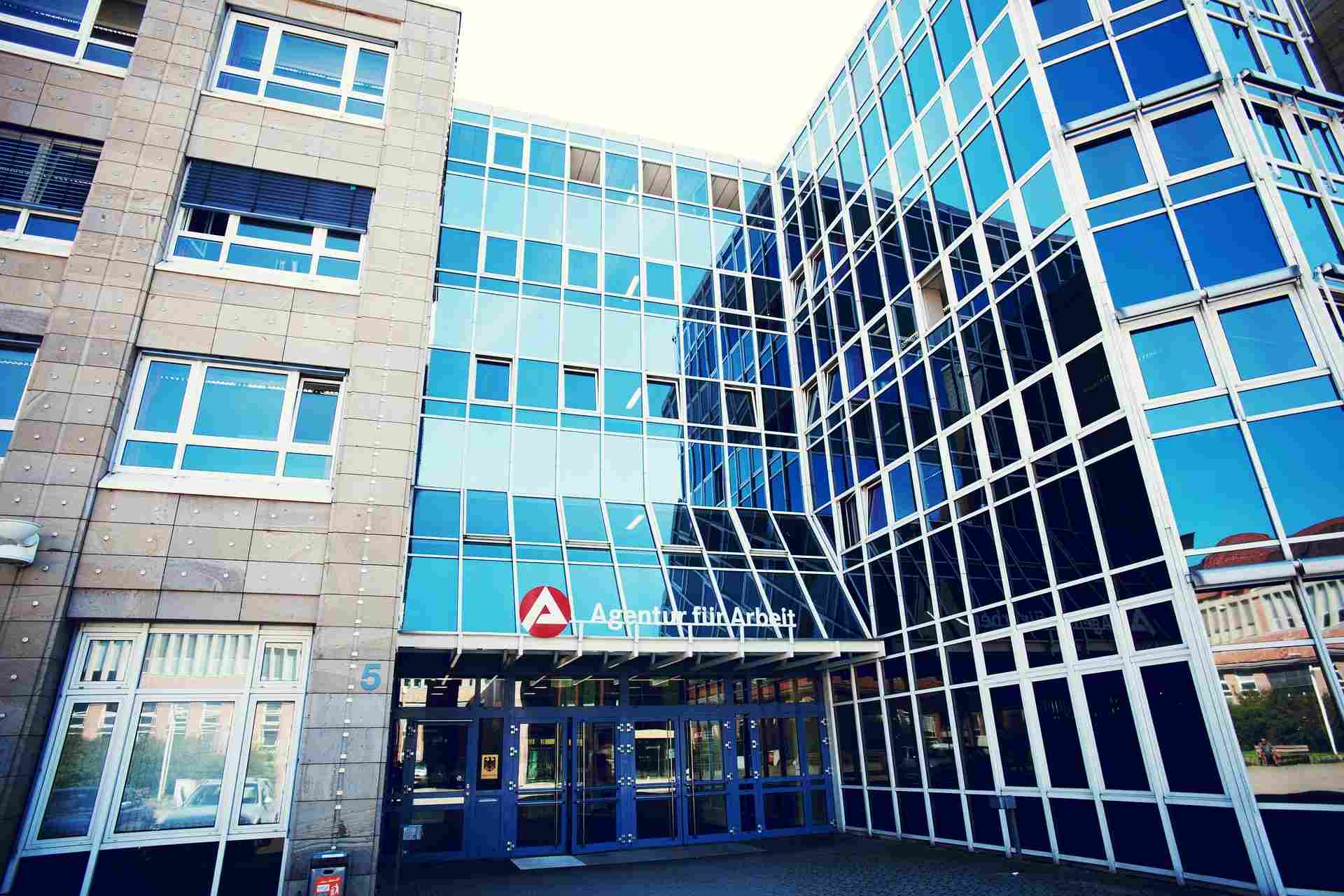
The popular tests from the Bundesagentur für Arbeit are very useful if you want to visualize your career path. They offer different tests, such as "Selbstentdeckungstool," "Berufswahl," etc. For more information, you can visit this website.
Another test, one of the most popular, is the DISC test (German: DISG test). This is a personality test. Regardless of their different versions, the questions mainly concern how you react and how others perceive you in certain situations at work. You'll be given several options describing how you would react in a specific situation, and then asked to choose the descriptions you consider most like you and least like you. After completing this test, your personality type will be one of the following 4 aspects: dominance, influence, steadiness, and conscientiousness.
Dominance: describes how you handle problems and control situations. Influence: describes how you manage communication with others. Steadiness: describes how patient, persistent, and thoughtful you are. Conscientiousness: describes how you organize your activities and responsibilities.
Your results will be displayed in a circular graph, with the highest percentage corresponding to the most dominant character trait, etc. This test helps give you a picture of how you're likely to behave in your future workplace, for example whether you focus on interpersonal relationships or on tasks to accomplish. Based on this, you can choose the jobs that suit you best.
Where Can I Look for a Job?
- Websites such as: Indeed, Monster, Stepstone, LinkedIn, Bundesagentur für Arbeit, or even job search websites in your home country, etc. Enter keywords and the work location and you'll find many job possibilities. You'll find more job search links below.
- Friends and/or senior students who have experience in job hunting: they can give you practical advice.
- Professors and/or lecturers: There's no doubt that your professors are experts in your field of study. Based on their social contacts and accumulated experience over the years, they can offer you special job opportunities.
- Job Fair (Jobmesse) and/or graduate conventions: In Germany, job fairs take place every season. If you want to work in a specific city, you can look for information about job fairs in that city. Job fairs are very popular, so we'd suggest you start searching and reserving entry tickets early enough to secure a spot and prepare properly.
- Facebook Groups: Don't forget that social media is also a good way to stay informed about job opportunities. For example, there are job search groups on Facebook where you can find many job offers. As a group member, you can directly contact the poster or leave a comment as soon as you see a potential job opportunity. Additionally, what are the most popular social media platforms in your home country? Can you also find information there? Check it out!
- Schwarzes Brett (Notice Boards): You'll find these boards everywhere in your university, in the cafeteria, professors' offices, classrooms, etc. Besides information about housing or lost and found items, you can also find several part-time or full-time jobs. On your department's notice board, you'll find especially useful information related to your specialty.
- Your university's Career Center usually has a database you can use to search for job offers. The career service will also help you in launching your career: they can advise you on updating your application folder, interview techniques, inform you about company presentations, etc., and all this is often free!
Don't worry if you encounter a situation where there are no vacancies for the work you want or at your dream company, because you can always renew your application online. In other words, you can try to send them your application folder, with your CV and cover letter, along with a note about the position you'd like to hold at the company. If a vacancy opens up later and your qualifications meet their requirements, you'll be contacted. Overall, we suggest you start your search early. A period of six months before graduation would be ideal.
Job Search Websites in Germany:
- Bundesagentur für Arbeit
- Indeed
- Monster
- Stepstone
- jobber
- absolventa
- connecticum jobbörse
- unicum
- campusjäger
- yourfirm
Other Qualifications
German and English
As a general rule, the job posting specifies the language required for the position. However, knowing another foreign language is undoubtedly an asset. Due to globalization, English has become one of the most important languages in the world. If you work in fields such as international trade, IT, consulting, etc., English will be indispensable. For students who study in English, it would be nice to be able to exchange a few words in German with German colleagues!
If you're having trouble choosing between German and English, stop hesitating! Choose a language and take a language course at a center to improve your skills, whether in English or German!
Personal Skills
Personal skills such as intercultural competence, communication skills, teamwork, emotional intelligence, etc., also play a decisive role in a job application. Although they're not directly related to professional skills, they're important to employers because they help determine what type of personality you have and how you react when you encounter various problems at work.
Just like specialized skills, personal skills can also be improved through various workshops or practical sessions. We suggest you attend more workshops during your free time and during your job search.
Key Takeaways from This Article:
- Start looking for a job early, at the very latest four months before finishing your studies.
- Conduct a self-analysis.
- Keep your options open.
- Take advantage of the services offered by your university.
- Take advantage of job fairs and services offered by employment agencies.
- Finally, don't forget to master German or English! Take language courses during your studies.
Preparing to study in Germany?
Secure your official blocked account and student health insurance in one official, fast package approved by German authorities.